Cart
0
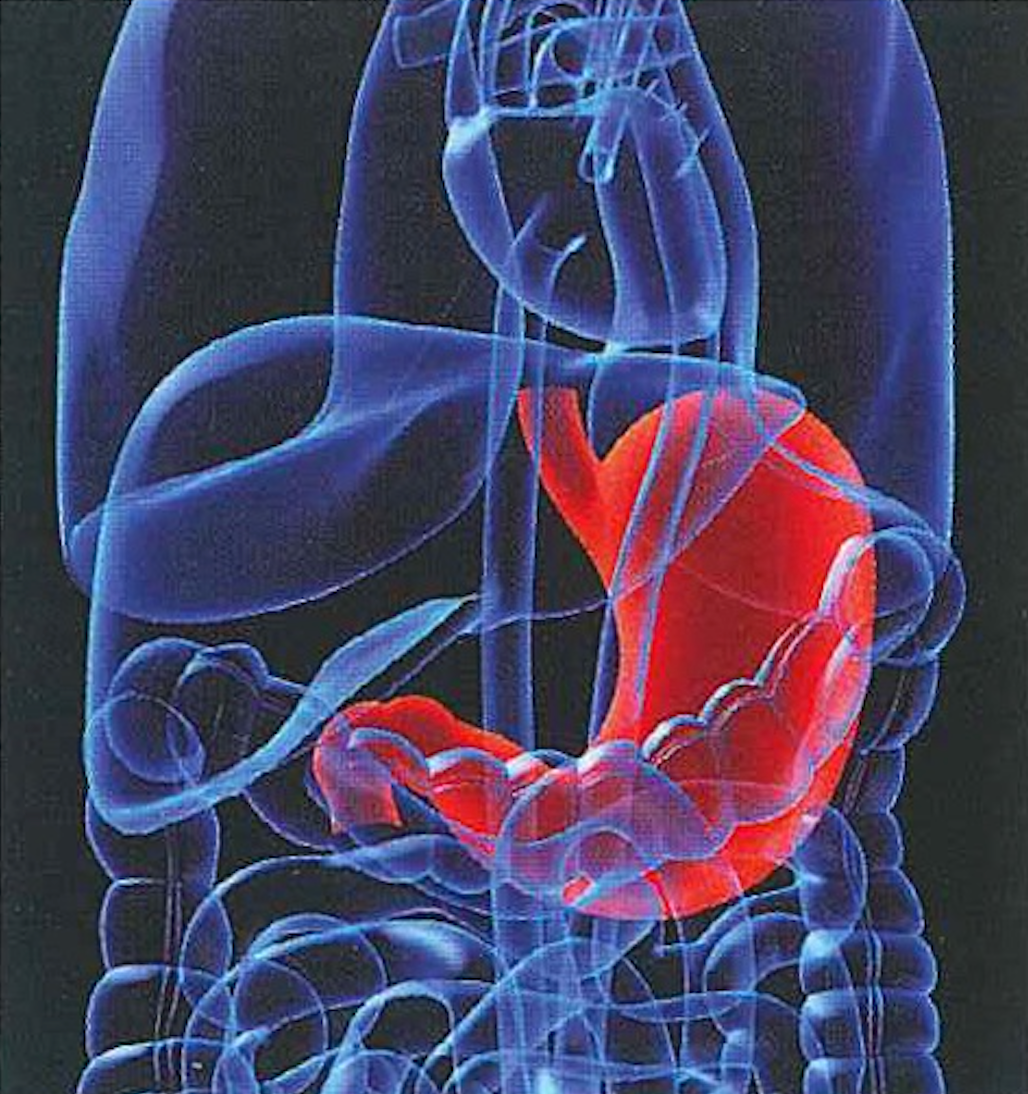
What does the digestive system consist of?
The stomach, small intestine and large intestine, as well as organs such as the pancreas, liver, and gallbladder.
The health of our cells will ultimately be reflected in the overall health of our tissues, organs, systems and the whole body.
Why the health of this system is critical?
80% of our immune system is found in our digestive system.
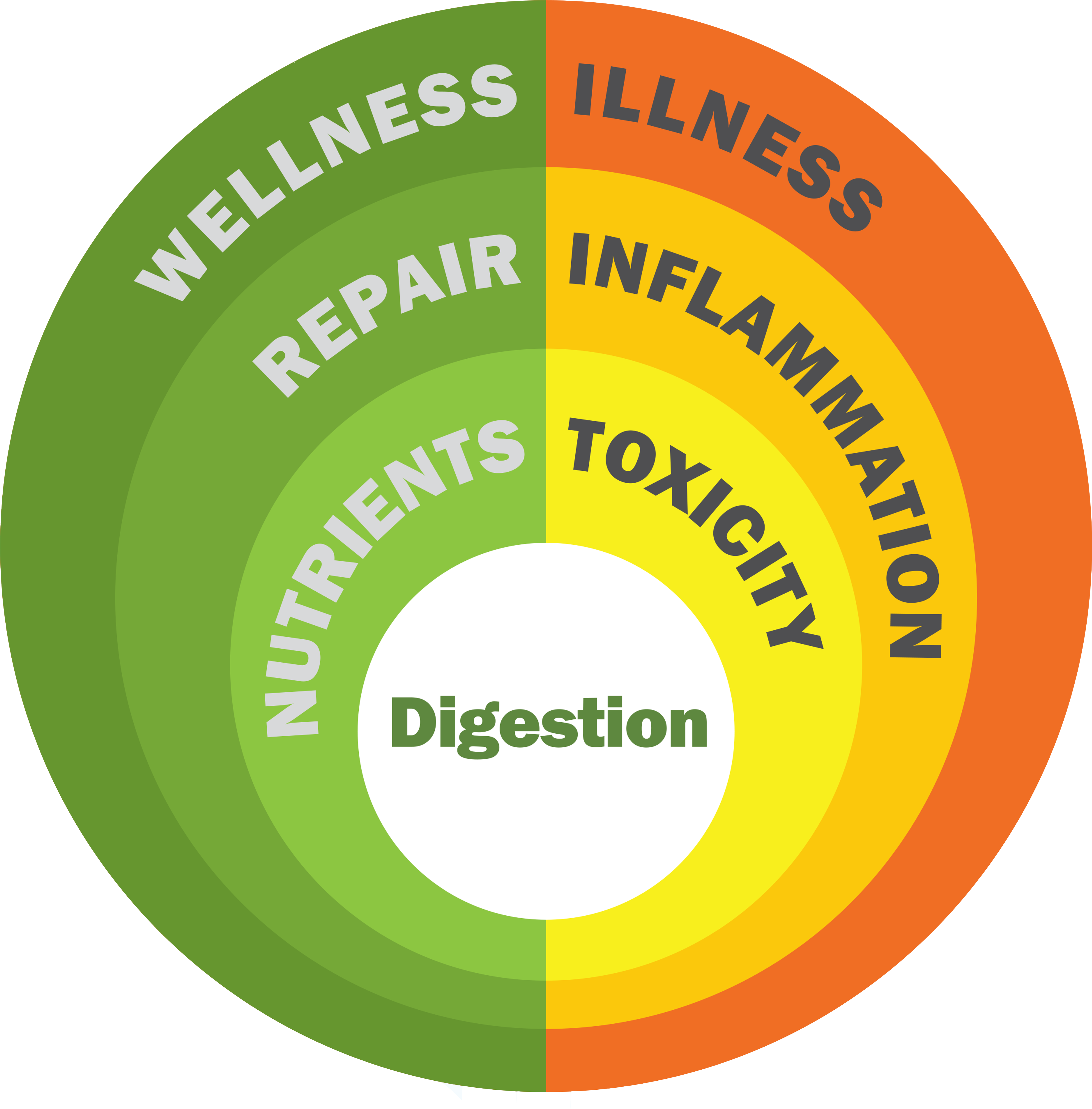
Its primary function is to break down foods and make nutrients available to the cell for optimal function, energy production, repair and reproduction of that cell.
It is also a major exit for toxins.
It is home to trillions of beneficial bacteria.
It is literally your second brain. It has all the same neurotran-smiters and just as many neurons as the spinal cord or peripheral nerves.
What happen to our body if we have poor digestion?
- Toxic wastes Undigested food will lead to food allergies, food sensitivities, food intolerance, leaky gut syndrome, high cholesterol and plaque.
- Dysbiosis (Imbalance of intestinal bacteria) Toxic waste will provide fuel for the fungi, bacteria and parasites, leading to overgrowth, creating dysbiosis, and altering the body’s pH balance. Dysbiosis can promote inflammation and impair metabolic process.
- Inflammation Some of the undigested food becomes irritants, causing inflammation of the intestinal walls. These irritants leak into our blood stream and trigger an immune reaction as the body’s natural defense will treat them as invaders and attack them, resulting in inflammation. Chronic inflammation can also disrupt metabolic function.
- Malnourishment If food is not broken down properly into nutrients, the body cannot absorb and use it for energy, growth and repair. It can also lead to deficiencies in essential vitamins and minerals. These deficiencies can impair metabolic processes.
- Neuroendocrine connection A "Second Brain" In Our Intestines. Our digestive system is also connected to neuroendocrine. The neuroendocrine system (branches of the hormonal and nervous systems that work closely together) also plays an important role in digestive and overall health, and influences immunity, energy, mood and even behavior. Our gastrointestinal system has abundant sources of regulatory neurotransmitters and neuropeptides, for example serotonin. In fact, 95% of the body's serotonin is found in this gut "brain", which thus affects our moods, actions and performance.
-
GI disorders
Poor digestion can set the stage for digestive disorders - a multitude of symptoms and conditions such as:
♦ Intestinal gas
♦ Feeling of bloatedness
♦ Diarrhea
♦ Constipation
♦ Gall bladder problem / Hiatus hernia
♦ Heartburn
♦ Ulcers
♦ Gastritis
♦ Diverticulitis
♦ Food allergies
♦ Food intolerance (sugar, dairy)
♦ Diabetes
♦ GERD
The natural solution for good digestive health
TECZymes™ Digest has the most comprehensive therapeutic digestive formula that provides optimal digestion of carbohydrate, protein and fats that are common in our diet.
Digestive enzymes taken with meals promote optimal digestion, nutrient availability, cellular energy and vitality.
For more details, please call +65 6333 5950
All these are signs that you have poor digestion
Let us find the Root Cause of Your Digestion Disorders with a simple validation tools (it is not diagnosis equipment) through wellness Nutrition Assessment. For enquiries or appointment please call +65 6333 5950.
Summary
Poor digestion can affect our metabolic function such as energy production, detoxification, hormone regulation, immune function and waste elimination. And a good digestive system depends on our body’s enzyme potential.